


Egyptian Chemistry | 2012

Exploring hybrid environments

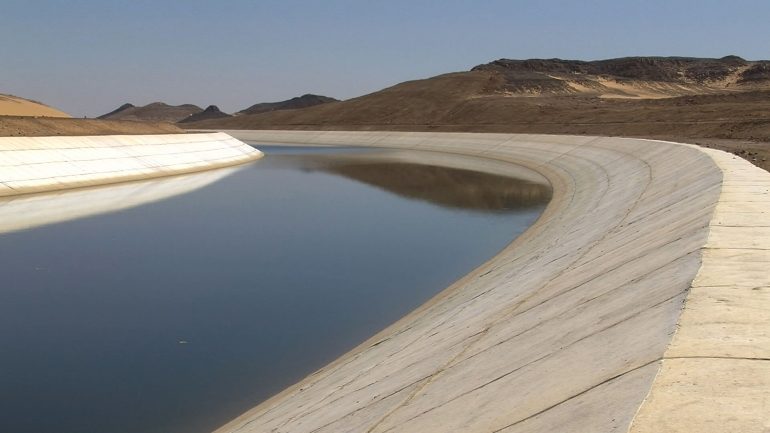
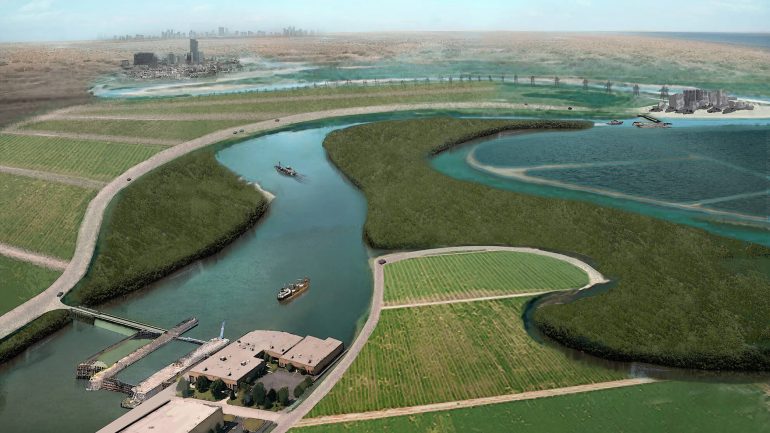
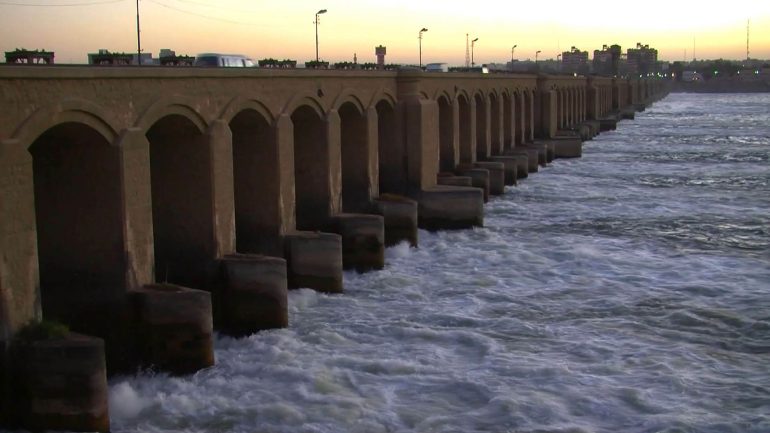
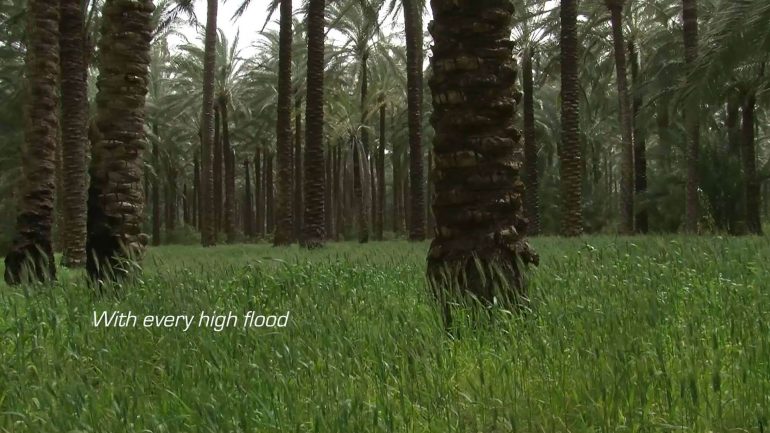
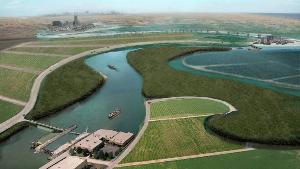
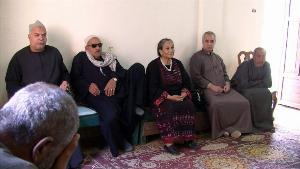
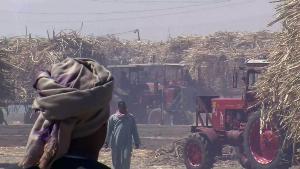
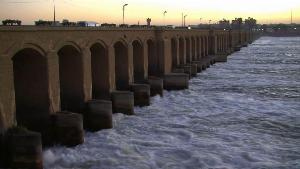
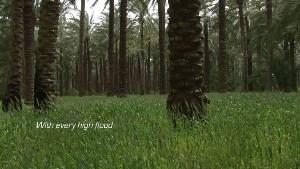
The video project explores the hybrid ecology of water with a particular interest in the events of coalescence between water and other natural, social and technological elements. Water vigorously shapes Egyptian life when merging with land use politics, crops, chemical industries, farmers unions and their post-revolutionary claims, with sustainability, hydropower and a whole range of other key figures. In a hydraulic civilization like Egypt it is understood that power lies with those who can control the mobilizing force of water in a centralized fashion. Hence Egyptians built large-scale engineering projects like dams and canals and launched huge land reclamation ventures that could reallocate water and other resources across time and space for communities and entire ecosystems. These built environments are an expression of how governments conceive of  “nature” and place it in the service of society; they embody particular ecological paradigms. Inscribed in these Egyptian hydraulic agro-ecologies are countless histories – those of modernization, continuous land reforms, artificial fertilizing, peasant activism. These historiographies of water culture and politics have a decentralizing impact and resist, to some extent, neoliberal agro-management models. The revolution has again unleashed new visions and initiatives, in particular the desire for non-governmental organization, more commons, and visionary sustainable projects. They too will be investigated in the video research.

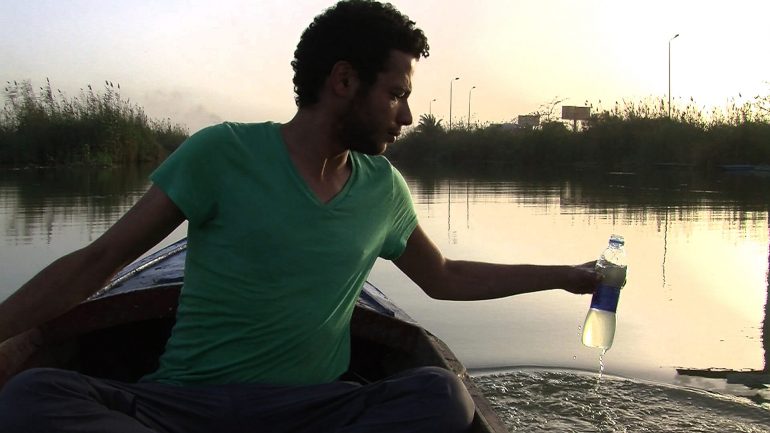
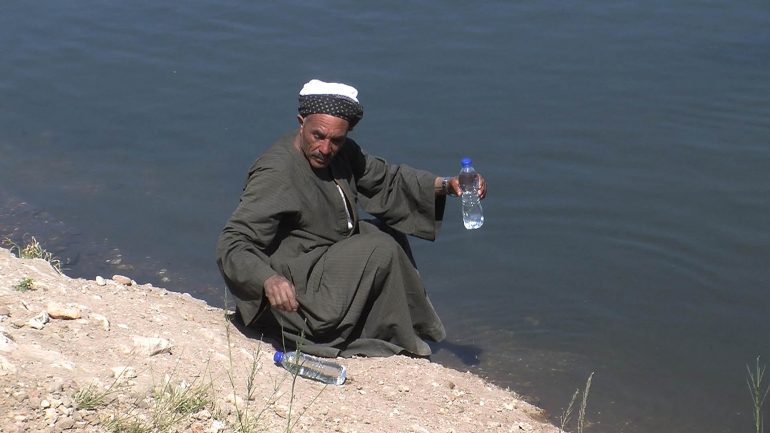
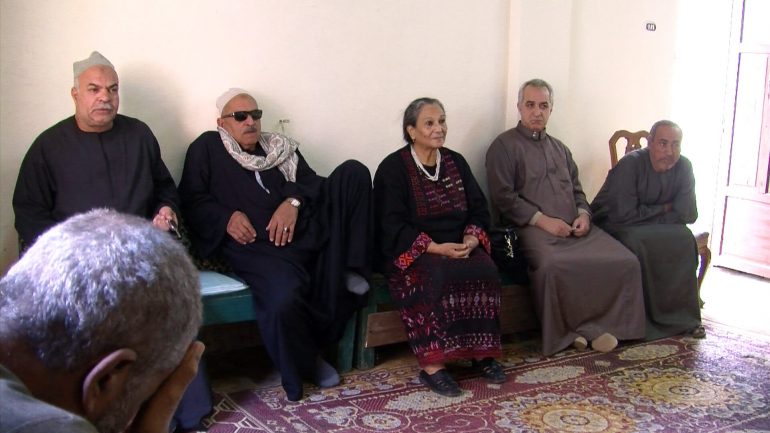
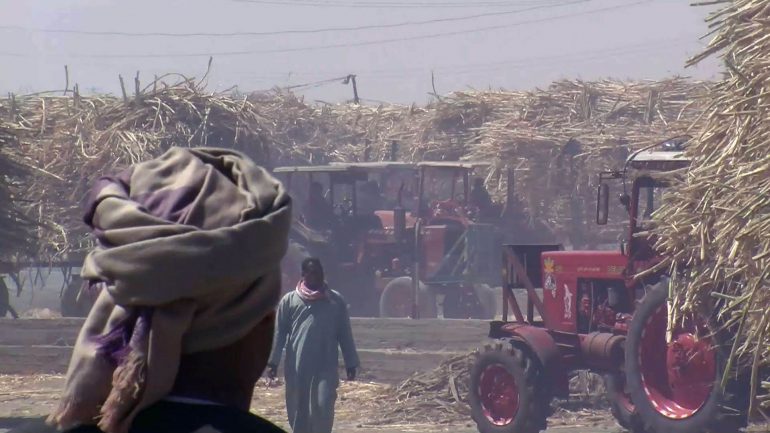
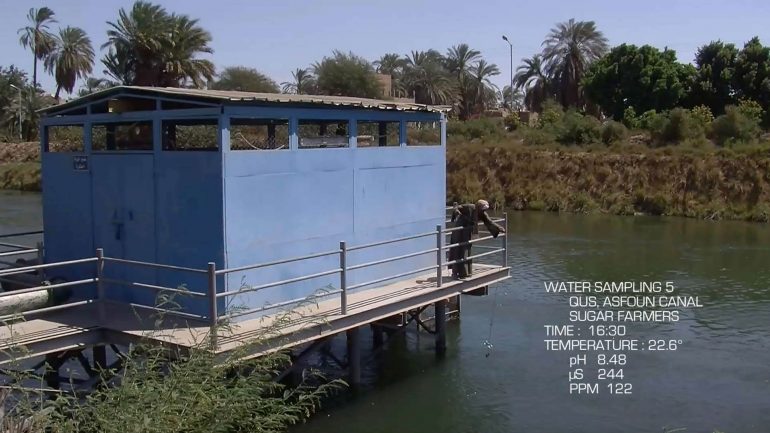
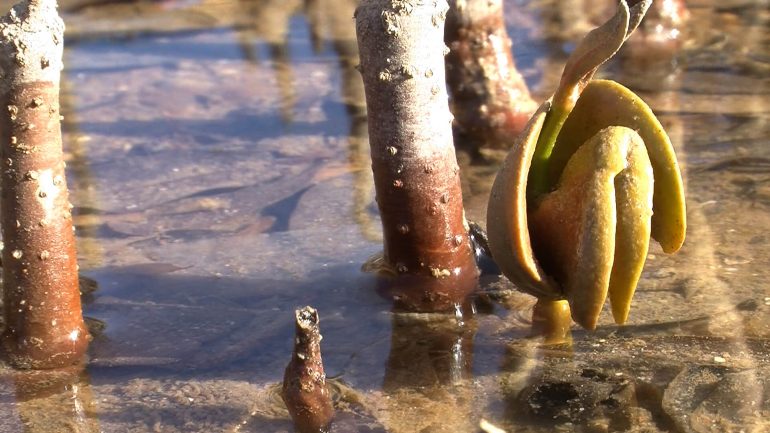
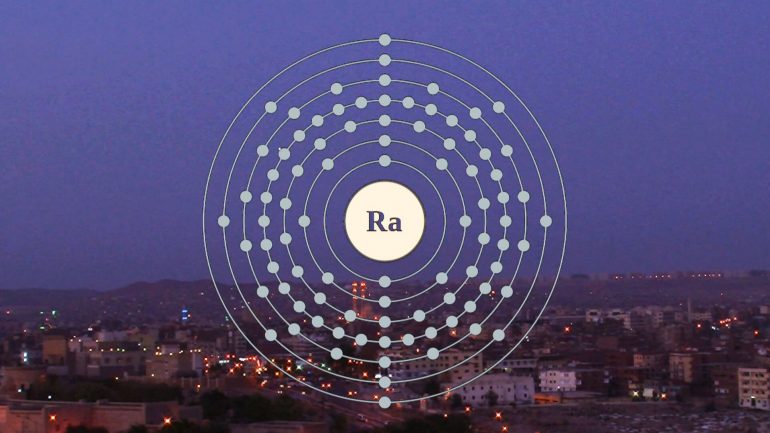
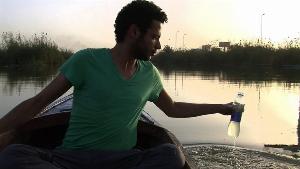
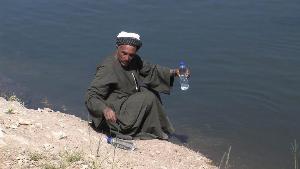
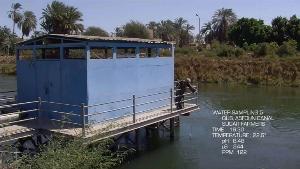
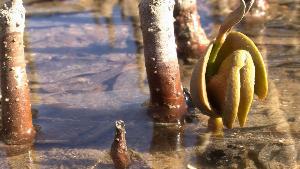
During several field trips, based on the documented collection of water samples at specific sites along the Nile, Egyptian Chemistry analyzes their chemical as well as socio-technological composition. It does so by drawing on object-oriented ontologies that facilitate an examination of the entanglements between human and nonhuman entities, calling an end to the split between natural and human scientific considerations. For a water project where sugar peasants, hydraulic models, mangrove forests, nitrate, the desert, malaria and immersed temples all play an important part, the benefit of this theory is easily appreciated. This procedure also ties back to an ensemble of practices encompassing chemical, biological, metallurgical and philosophical dimensions, as was the case under the original Egyptian designation "Al Khemia", long before the meticulous epistemological division into disciplines and subdisciplines set in. So rather than a social construction of water, Egyptian Chemistry attempts a rereading of the dynamic relations between vision, nature, water, productivity, energy, revolution, and image making.

Field trips are scheduled for November 2011 and March 2012.

Egyptian Chemistry is part of Supply Lines, a multimedia platform on resource geographies.